Church Blog

Welcome to our Church Blog, your online retreat for uplifting reflections and Christ-centered encouragement. Here you’ll find concise yet powerful posts that speak to everyday moments—reminding you of God’s presence in mornings of doubt, seasons of joy, and the quiet spaces in between. Every entry is crafted to spark hope, foster spiritual growth, and point your heart back to Jesus.

Section Title

Type the content for this accordion section here. This is just example text to show you what it will look like when you enter text content into this accordion section. Your unique, authentic, and appropriate text will be filled into this section.

  • Pour It Out First? - Priming the Pump

    Hey there,

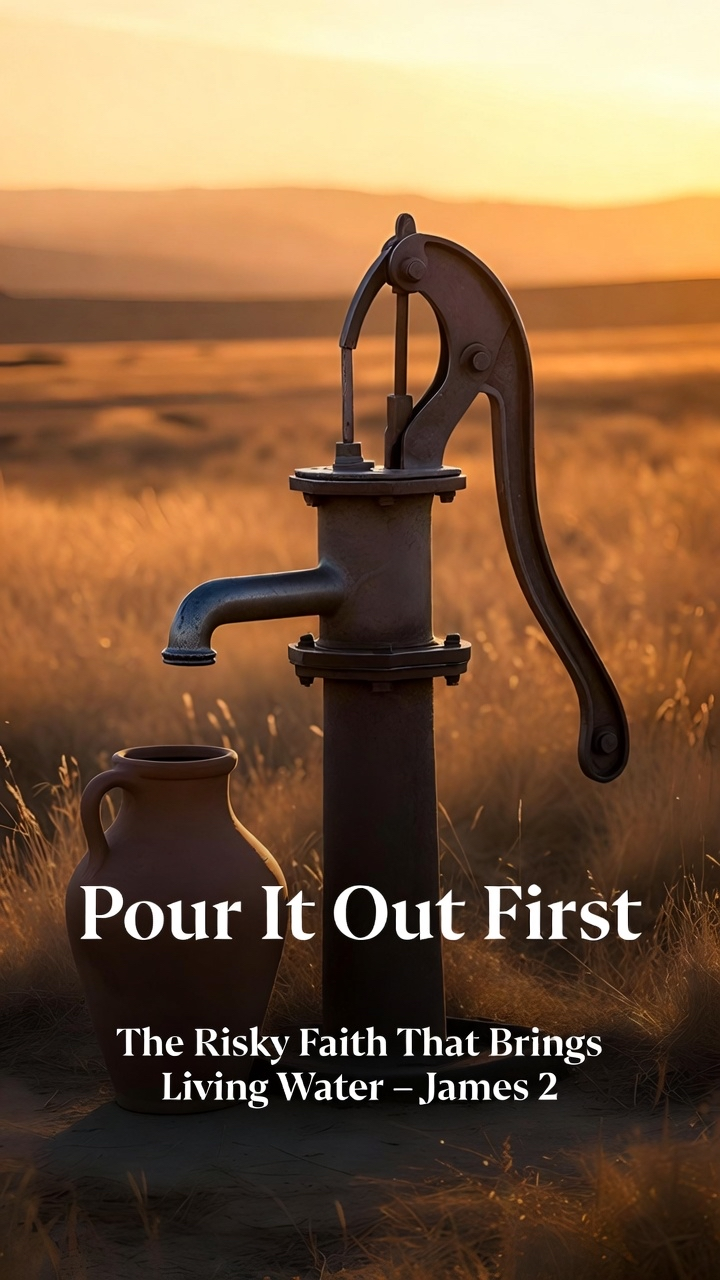
    You know how old-fashioned water pumps work? The kind you still see in some rural areas or old movies. Before the pump will bring up any water, you have to “prime” it first — you pour a little water down the top to create suction. No priming, no water.

    There’s an old story about a man crossing the desert back in pioneer days. He was dying of thirst when he came across an old pump next to an abandoned shack. Right beside it was a jug with just enough water in it, and a note attached.

    The note said:
    “There is just enough water in this jug to prime the pump, but not if you drink any first. This well has never gone dry — not even in the worst times. Pour the water in the top, pump the handle hard, and then refill the jug for the next person who comes along.”

    Imagine being that thirsty man. What would you do? Would you play it safe and drink the little bit of water you have? Or would you pour it all out in faith, trusting the note was true?

    That moment — choosing to pour out the water before you get any back — is a perfect picture of the kind of faith the Bible talks about. Real faith means staking everything on God’s promise, even when you can’t see the outcome yet.

    This is exactly what James is talking about in the New Testament when he says, “Faith without works is dead” (James 2:17, 26). James tells us that genuine faith isn’t just believing something in your head. It’s faith that does something. It’s faith that acts.

    Just like the man had to pour out the water before he could drink, our faith is proven when we step out and trust God — even when it feels risky. It’s not faith or works — it’s faith that works.

    God often calls us to that same kind of faith today. Maybe it’s forgiving someone who really hurt you. Maybe it’s giving when your own budget is tight. Or stepping into something new even when you’re not sure how it’s going to work out. Real faith pours out first, trusting that God’s well never runs dry.

    If this story stirs your heart, you’re not alone. We’d love for you to join us at Black Hills Church of Christ in Rapid City, SD. You can learn more and find service times on our About Us page.

    — Charlie

    💬 Join the Conversation

    Share your thoughts below. We'd love to hear how this devotional encouraged you!

    First time commenting? Just click “Sign in with GitHub” — it only takes a few seconds to authorize. No password needed if you're already signed into GitHub.

  • When Fear Looms - Easter Story

    Hey there,

    On Easter morning in 1799, terror gripped the small Austrian town of Feldkirch. Nestled in a peaceful valley, villagers woke to a frightening sight: thousands of French soldiers under General André Masséna, part of Napoleon’s invading forces, had appeared on the heights above them. Sunlight glinted off weapons and armor as roughly 18,000 troops looked down on the defenseless town. The Austrian army was far away, and Feldkirch had little hope of military defense.

    Panic spread quickly. The town council met in emergency session. Fear filled the room as leaders debated their options. Some suggested immediate surrender. Others spoke of futile resistance. Hopelessness hung heavy—human strength had clearly failed.

    Then an old man of the church stood up. Calm and resolute, he declared, “My brothers, this is Easter Day! We have been reckoning on our own strength, and that fails. Let us turn to God. Ring the bells and have services as usual, and leave the matter in His hands.”

    His faith was contagious. The council agreed. Instead of preparing for battle or waving white flags, the people chose celebration.

    Soon, the church bells rang out—joyous, triumphant peals honoring the resurrection of Jesus Christ. The sound carried across the valley and up the hills. Streets filled with worshipers in their Sunday best, hurrying to church as if it were any other Easter morning. No one cowered indoors. They praised the risen Lord.

    High above, General Masséna and his troops heard the unexpected ringing. They saw the carefree crowds moving about the town in bright clothing, seemingly unconcerned by the massive army poised to strike. The French commanders concluded that the Austrians must have received strong reinforcements during the night. Those bells, they reasoned, were signaling fresh troops or calling the people to arms with new confidence.

    Convinced they now faced a superior enemy, Masséna ordered a swift retreat. The French army broke camp and withdrew. Before the Easter service even concluded, the heights were empty. The town was saved without a shot fired—all because one man called God’s people to trust and worship on the day of resurrection.

    This beloved story, passed down in Christian literature since the late 1800s, may include some legendary embellishments around the real events of the Battle of Feldkirch during the Napoleonic wars. Yet its spiritual truth rings clear: when fear looms large and human solutions run out, faithful praise to the risen Christ can change everything.

    Think about the first Easter. The disciples faced their own overwhelming despair. Their Master had been crucified. The tomb was sealed. Hope seemed dead. But on the third day, the women found the stone rolled away and the grave empty. Angels declared, “He is not here; he has risen!” (Luke 24:6). Fear turned to joy as they encountered the living Jesus.

    Like the people of Feldkirch, the early followers could have hidden in panic. Instead, they proclaimed the resurrection boldly. That same power is available to us today.

    What “army” threatens you this Easter? A health diagnosis, financial pressures, relational brokenness, or deep doubt? In those moments, it’s tempting to rely on our own strategies—planning, worrying, or surrendering ground.

    But Easter reminds us that our greatest victory has already been won. Jesus conquered the grave. Because He lives, we can face tomorrow with confidence. When we choose to “ring the bells”—to worship and declare God’s goodness even when circumstances look bleak—fear often loses its grip.

    The apostle Paul captured this triumph: “Death has been swallowed up in victory. Where, O death, is your victory? Where, O death, is your sting? … Thanks be to God! He gives us the victory through our Lord Jesus Christ” (1 Corinthians 15:54-57). So this time of year, when the world celebrates his resurrection, don’t let fear silence your praise. Ring out the good news: Christ is risen! He is risen indeed. Leave the battle in God’s hands. You may discover, like the villagers of Feldkirch, that the enemy has already retreated in the presence of resurrection joy.

    May your heart overflow with that same Easter hope. He who conquered the grave is still at work in our lives today.

    He is risen, just as he said…

    — Charlie

    💬 We’d love to hear your thoughts!

    Leave your comments, reflections, or prayer requests on our Facebook post for this devotional .

  • Satan's Favorite Tool

    Hey there,

    Spring has finally arrived! With the equinox behind us and warmer days on the horizon here in the Black Hills, many of us are starting to think about cleaning out garages, decluttering closets, and maybe even hosting (or hunting for) those classic yard sales that pop up this time of year.

    But imagine if Satan himself decided to hold a garage sale...

    On the day of the sale, his tools were placed for public inspection, each marked with its price. There were treacherous implements: hatred, envy, jealousy, deceit, lust, lying, pride, and so on.

    Set apart from the rest was a harmless-looking tool. It was quite worn and yet priced very high.

    “What is the name of this tool?” asked one of the customers, pointing to it.

    “That is discouragement,” Satan replied.

    “Why have you priced it so high?”

    “Because it is more useful to me than the others. I can pry open and get inside a man’s heart with that, even when I cannot get near him with the other tools. It is badly worn because I use it on almost everyone, since so few people know it belongs to me.”

    The devil’s price for discouragement was high because it is still his favorite tool, and he is still using it on God’s people.

    This old illustration rings true today. Discouragement sneaks in quietly—through setbacks, criticism, perceived unanswered prayers, or just the weariness of life—and it wears us down like nothing else. The Bible acknowledges this reality. In Joshua 1:9, God commands, “Have I not commanded you? Be strong and courageous. Do not be afraid; do not be discouraged, for the Lord your God will be with you wherever you go.” And in Isaiah 41:10, He promises, “Fear not, for I am with you; be not dismayed, for I am your God; I will strengthen you, I will help you, I will uphold you with my righteous right hand.” These verses remind us that discouragement is real, but it’s not the final word—God sees it, opposes it, and offers Himself as our strength against it.

    But the remedy for discouragement isn’t merely “trying harder” or summoning more personal willpower. It’s encouragement—being lifted up, built up, and reminded of God’s truth and presence. The Bible doesn’t leave us to fight alone; it calls us into community where encouragement flows freely. In 1 Thessalonians 5:11, Paul instructs believers, “Therefore encourage one another and build each other up, just as in fact you are doing.” The early church thrived because they actively spurred one another on in faith, hope, and love, even amid the trials. When discouragement pries at our hearts, God designed the church—His body—to be the place where we receive mutual encouragement, prayer, fellowship, and the shared reminder of the gospel that renews our strength.

    If discouragement has been weighing on you lately, don’t face it in isolation. Come join us at Black Hills Church, where we’re a family committed to encouraging one another in Christ. We’re located at 13654 South Hwy 16 in Rapid City, SD, and we’d love to welcome you—whether for worship, Bible study, or just to connect over coffee. Together, we can stand against the devil’s worn-out tool and experience the encouragement that comes from God’s people gathered in His name.

    You’re invited. Come as you are—God is ready to meet you here. You can learn more and find service times on our About Us page.

    — Charlie

    💬 We’d love to hear your thoughts!

    Leave your comments, reflections, or prayer requests on our Facebook post for this devotional .
  • Hey there,

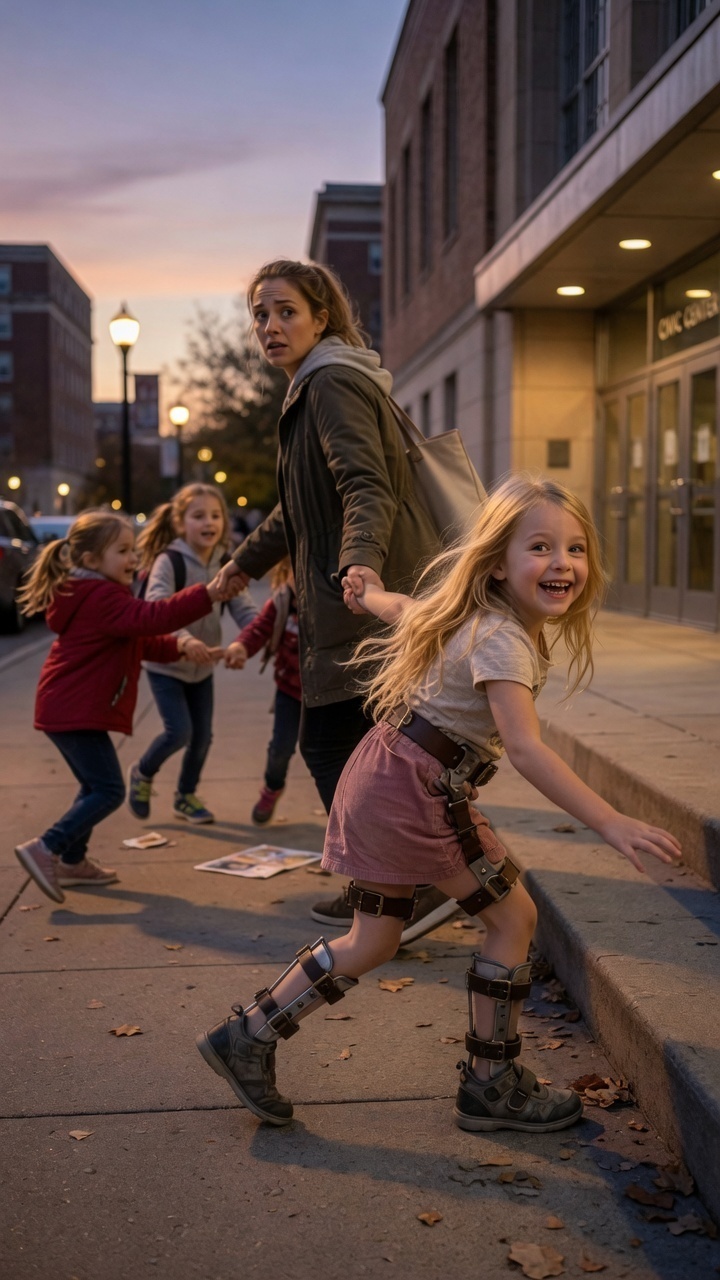
    One of the most intriguing figures in the Bible is Enoch. In a long list of names and ages in Genesis 5, his story stands out in just one verse:

    “Enoch walked faithfully with God; then he was no more, because God took him away.” (Genesis 5:24, NIV)

    No dramatic battles, no lengthy exploits—just a life defined by walking with God. And then, one day, God just simply took him home.

    I love the way a little girl once retold this story to her mother in the sweetest way:

    “Mamma,” she said, “one day Enoch and God took a walk together. They walked and they talked, and they talked and they walked, until Enoch finally said, ‘Oh, my, dear Lord, it’s getting late. I’d better go home!’ And the Lord said, ‘Why, Enoch, we’ve been walking so long together, I believe we’re closer to My home than yours. Why don’t you come home with Me tonight?’ So Enoch went home with God.”

    Enoch Walking with God

    That childlike imagination captures something profound. Enoch’s life wasn’t marked by rare spiritual highs or dramatic moments. It was marked by steady, everyday companionship—walking side by side, talking, listening, trusting. Over time, the boundaries between his world and God’s blurred. The walk became so natural, so close, that continuing on to God’s home felt like the most obvious next step.

    The New Testament echoes this beauty in Hebrews 11:5: “By faith Enoch was taken from this life, so that he did not experience death… For before he was taken, he was commended as one who pleased God.”

    What pleased God wasn’t grand achievements, but faithful closeness. A relationship, not a religion.

    This gentle scene reminds me of the kind of walk we’re invited into every day—simple conversations with God through prayer, obedience in the small things, trusting Him step by step. The more we walk with Him, the more “at home” we feel in His presence. One day, the journey will lead seamlessly into eternity, not with fear or striving, but with the quiet invitation we’ve grown so accustomed to hearing.

    May it be said of us, as it was of Enoch: We walked with God. And when the time came, we simply went home with Him.

    You can learn more and find service times on our About Us page.

    — Charlie

    💬 We’d love to hear your thoughts!

    Leave your comments, reflections, or prayer requests on our Facebook post for this devotional .
  • Yet I Will Rejoice: Finding Joy When Life Feels Empty

    Hey there,

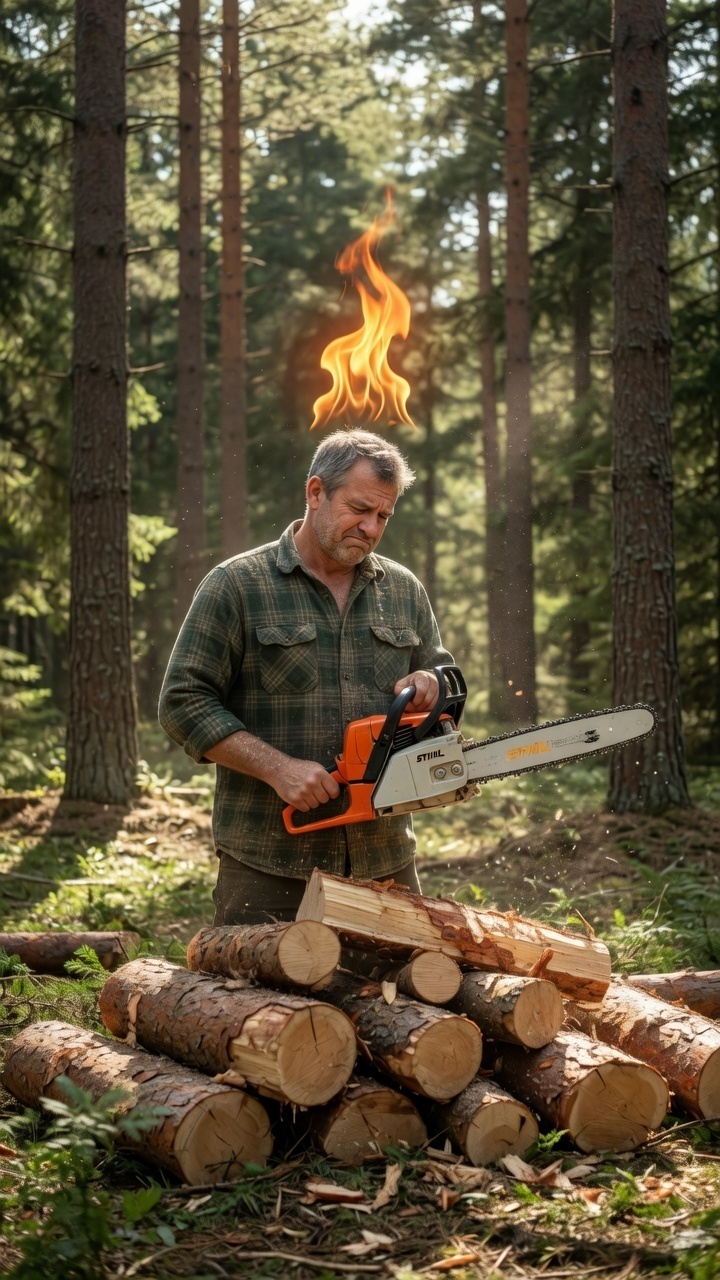
    Some seasons of life just feel empty. Health issues drag on, energy fades, pain becomes constant, relationships fracture, dreams stall, or loss piles up—and the things that once brought joy or purpose seem to wither away. It’s exhausting, and honestly, it can shake our faith to the core. If you’re in one of those valleys right now, know you’re not alone.

    That’s exactly why Habakkuk 3:17-19 speaks so deeply to me in hard times:

    “Though the fig tree does not bud
    and there are no grapes on the vines,
    though the olive crop fails
    and the fields produce no food,
    though there are no sheep in the pen
    and no cattle in the stalls,
    yet I will rejoice in the Lord,
    I will be joyful in God my Savior.
    The Sovereign Lord is my strength;
    he makes my feet like the feet of a deer,
    he enables me to tread on the heights.”
    (Habakkuk 3:17-19, NIV)

    Habakkuk paints a picture of total loss—no harvest, no provision, no security. In our world, that’s like watching hope, strength, or stability slip away all at once. Yet he doesn’t despair. He pivots with that powerful “yet.” He chooses to rejoice—not because life feels good, but because God is good. His joy is rooted in the unchanging Savior, not in changing circumstances.

    Here’s the hope: when life falls apart—whether through loss, hardship, shattered plans, or seasons that leave us empty and wavering—God doesn’t abandon us. He becomes our strength.

    If you’re walking through any kind of devastation right now—prolonged trials, deep grief, chronic struggle, or whatever has left your “fields” barren—hear this: your hardship doesn’t disqualify you from joy in God. It might even deepen it. Lean into Him. Let Him carry you. He’s still sovereign, still faithful, and still your Savior. He gives steady feet to keep moving forward, even on the steepest paths.

    What “though” are you facing today? I’d love to hear (and pray for you) in the comments.

    You’re invited. Come as you are—God is ready to meet you here. You can learn more and find service times on our About Us page.

    — Charlie

    💬 We’d love to hear your thoughts!

    Leave your comments, reflections, or prayer requests on our Facebook post for this devotional .